Consulting arboriculture · Melbourne

Planning and Development Reports

Early project input

Bring trees into the project early.

Trees can influence site layout, access, services, levels and construction methods. Early arboricultural input helps the project team understand which trees may be suitable for retention, where root constraints are likely to affect the design and what further assessment may be required.

The aim is not to argue for or against development. It is to give the project team accurate tree information so design, planning and construction decisions can be made with fewer surprises later.

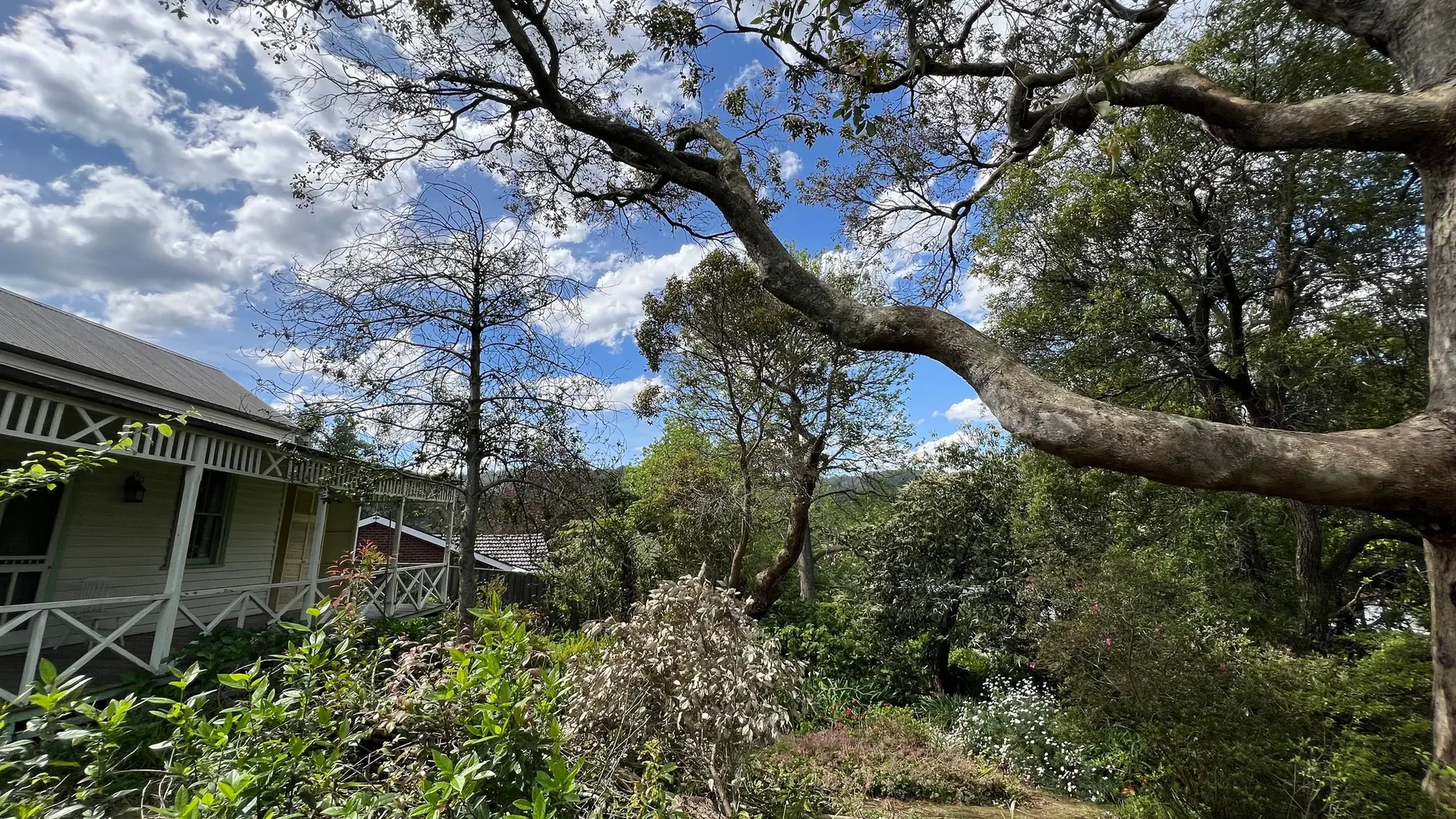
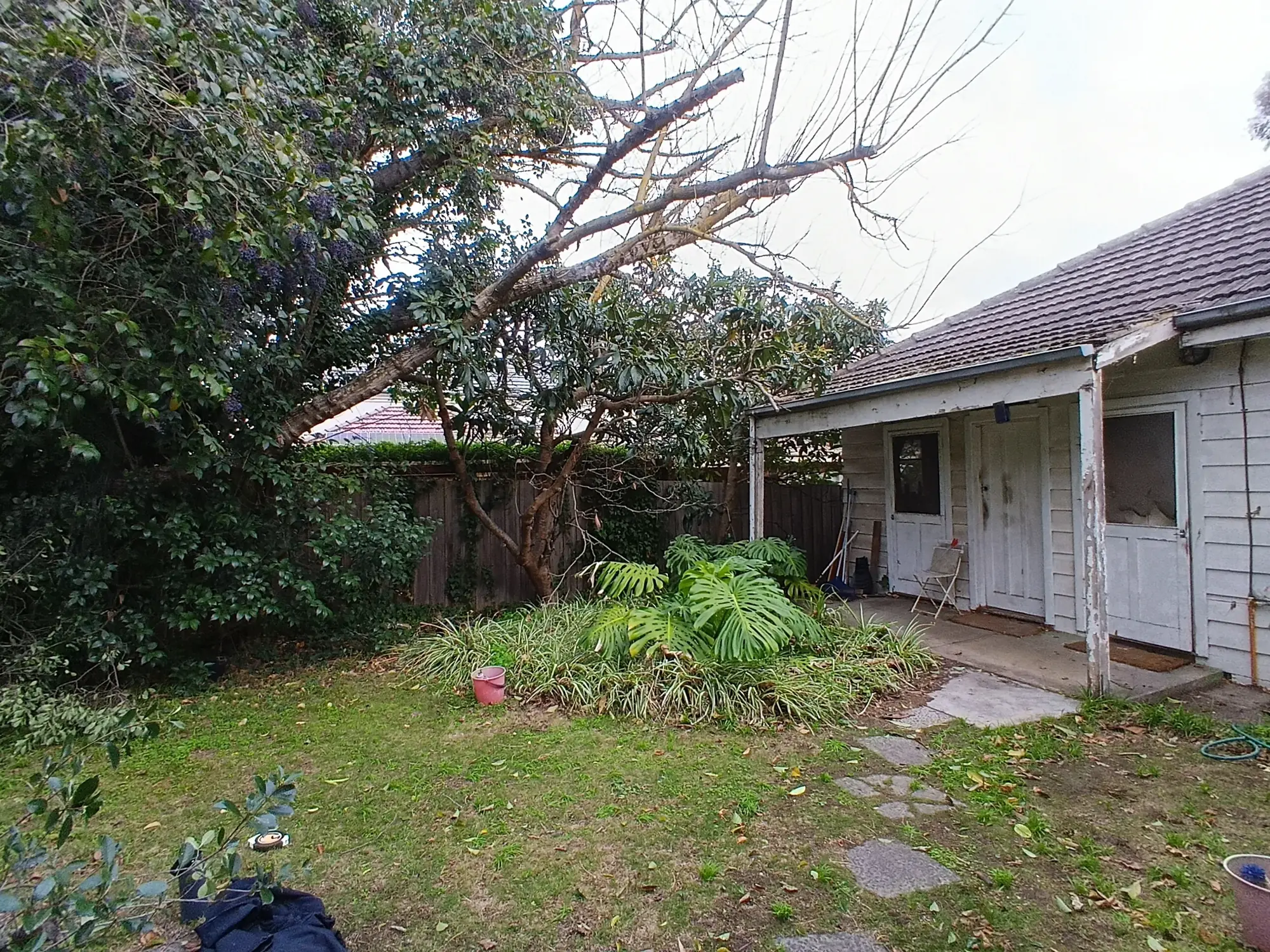
Established tree growing close to an existing dwelling on a residential development site

Report types

The right report for each stage.

The required arboricultural report depends on the stage of the project, the available drawings and the requirements of the relevant authority. The scope is confirmed before work begins.

Early planning

Preliminary Arboricultural Report

Early-stage tree information to support site acquisition, feasibility and concept design. This report records the trees, their condition and retention considerations before the design is fixed.

  • Tree data and preliminary retention considerations
  • Notional Root Zone and Structural Root Zone dimensions
  • Early design constraints and next steps

Design assessment

Arboricultural Impact Assessment

Assessment of the proposed design against retained trees, with practical responses that can minimise or avoid impacts.

  • Review of relevant consultant documentation
  • Assessment of proposed works and root zones
  • Retention, removal and protection recommendations

Construction documentation

Tree Protection Specification

A written, logical and sequential specification for protecting and managing retained trees during development.

  • Site controls and tree protection measures
  • Access, storage, excavation and ground protection
  • Critical stages, responsibilities and records
Site drawing

Tree Protection Plan

A project drawing showing where required tree protection measures apply and how they relate to the proposed works.

  • Tree identifiers and relevant protection zones
  • Fencing, ground protection and access controls
  • Project-specific protection devices and notes

Project delivery

Project Arborist Services

Ongoing arboricultural support during pre-construction, site works and project completion. Attendance is matched to the approved documentation, permit conditions and critical stages for the project.

  • Pre-start review and contractor induction
  • Critical-stage inspections and practical site advice
  • Monitoring records and completion inspection where required
Established trees across a heavily vegetated development site

Technical information for real project decisions.

Developers, architects and building designers

Early tree constraints, coordinated impact assessment and practical protection documentation for single dwellings, 2 to 4 lot developments, subdivisions and consultant-led projects.

Residential property owners

Clear reporting for planning applications, extensions, new homes and tree removal permit requests where an independent arboricultural assessment is required.

Project managers and construction teams

Tree protection specifications, plans, inspections and project arborist support that translate planning requirements into practical site controls.

Established trees and a dwelling within a residential development context

Design coordination

Make tree constraints visible.

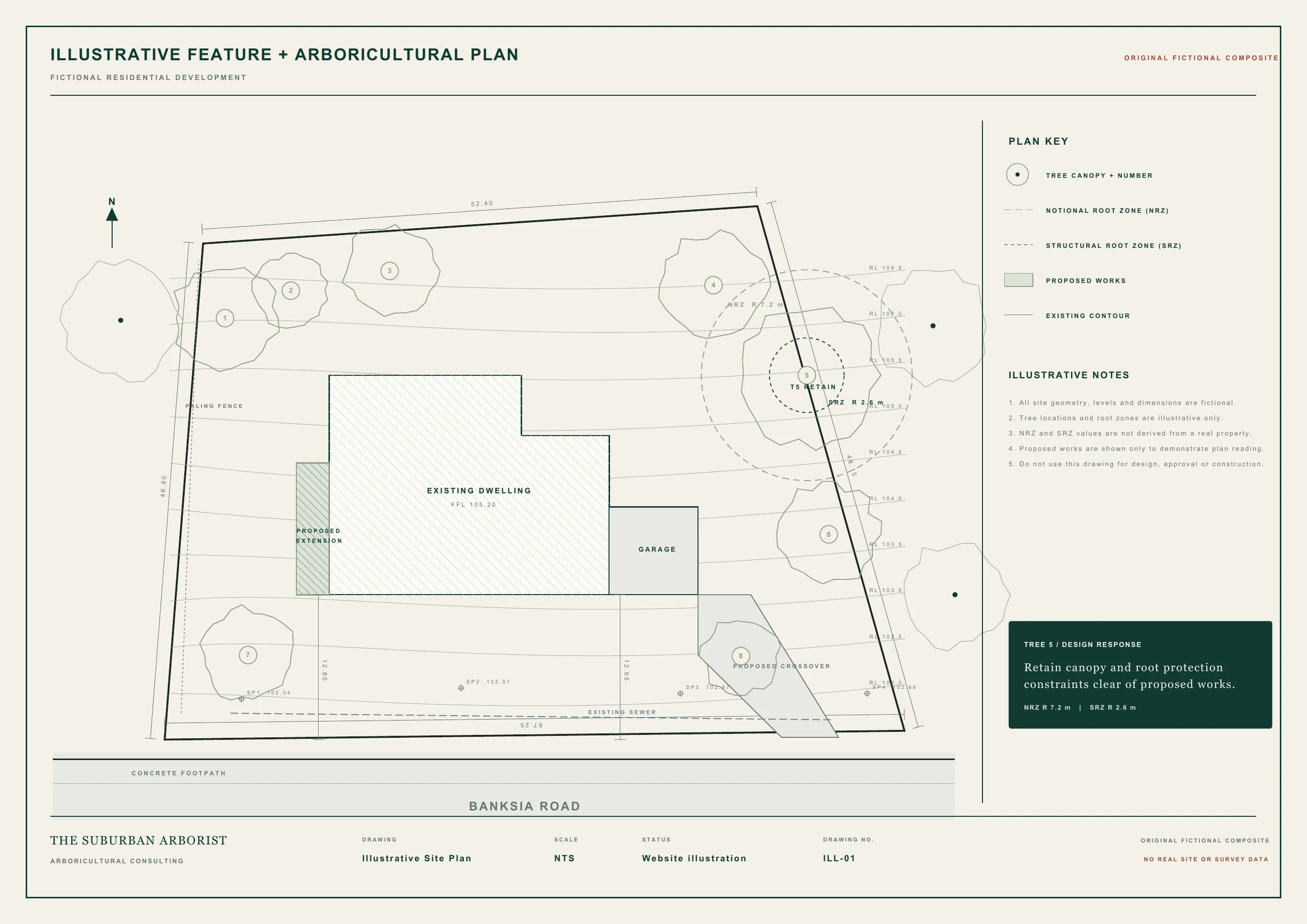
Clear survey information, tree locations and root-zone constraints allow the design team to test options before the project is submitted to Council.

Fictional feature and arboricultural site plan showing trees, root zones, an existing dwelling and proposed works
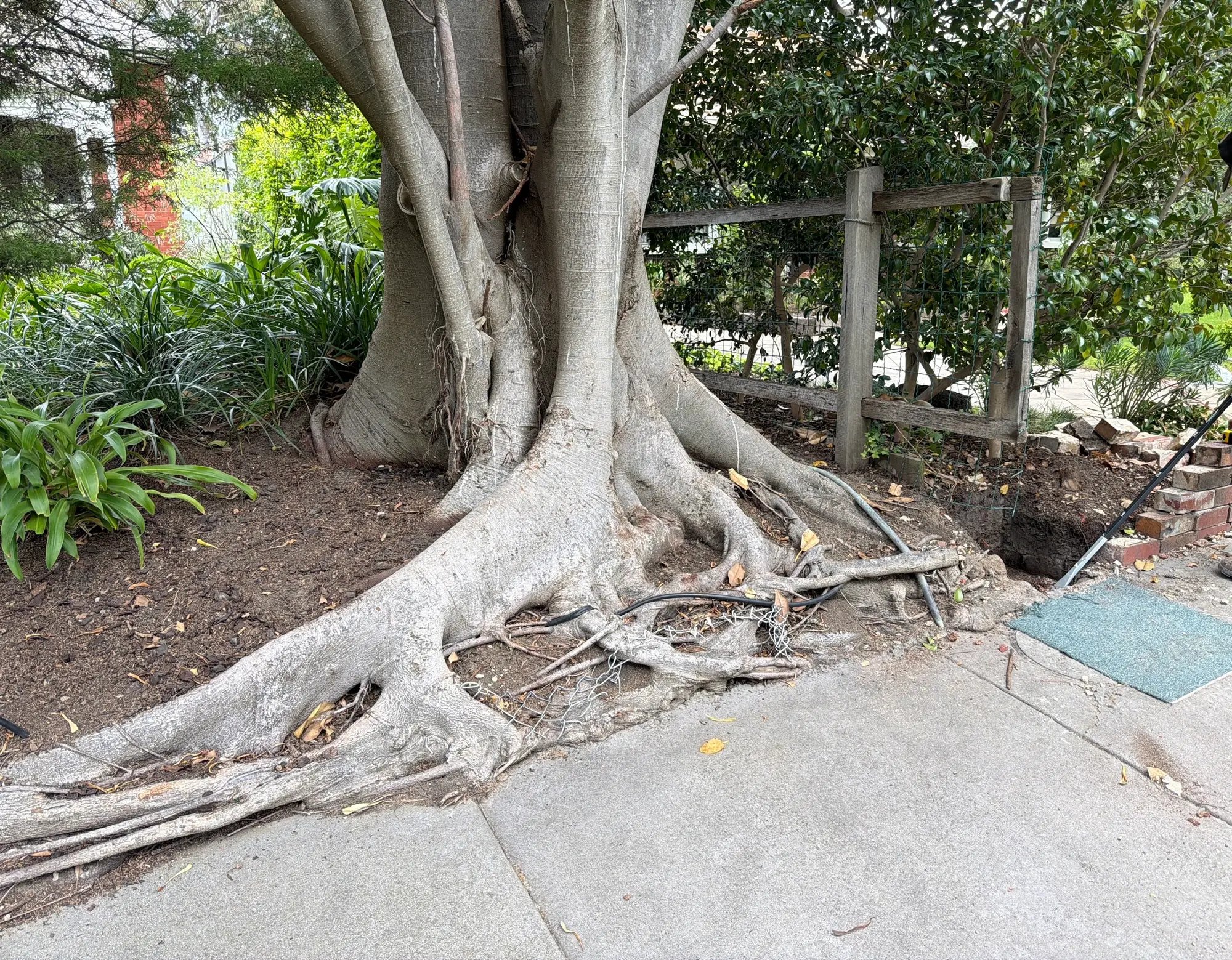
Large exposed tree roots interacting with paving, fencing and site infrastructure

Site constraints

Identify design constraints early.
Avoid planning hold-ups.

Tree roots, levels, existing structures and proposed works do not operate independently. Site-specific assessment identifies design constraints early and shows where modifications, construction methods or protection measures will be required.

An arboricultural report provides evidence and professional recommendations, including sympathetic design alternatives where possible. It does not guarantee a planning permit, approval to remove a tree or acceptance of a particular design. Final decisions remain with the relevant authority.

AS4970:2025 aligned process

From early planning to project completion.

Tree protection is most effective when it develops with the project. The service can be scaled to suit a single dwelling, a multi-lot development or a larger consultant-led project.

  1. Stage 1

    Planning and design

    Review the site, complete the preliminary tree assessment, coordinate the design and assess likely development impacts.

  2. Stage 2

    Pre-construction

    Confirm project requirements, prepare tree protection documentation and review protection measures before site works begin.

  3. Stage 3

    Site works

    Provide project arborist attendance at nominated critical stages and practical advice when site conditions change.

  4. Stage 4

    Completion

    Review retained trees and protection outcomes, complete agreed records and provide completion documentation where required.

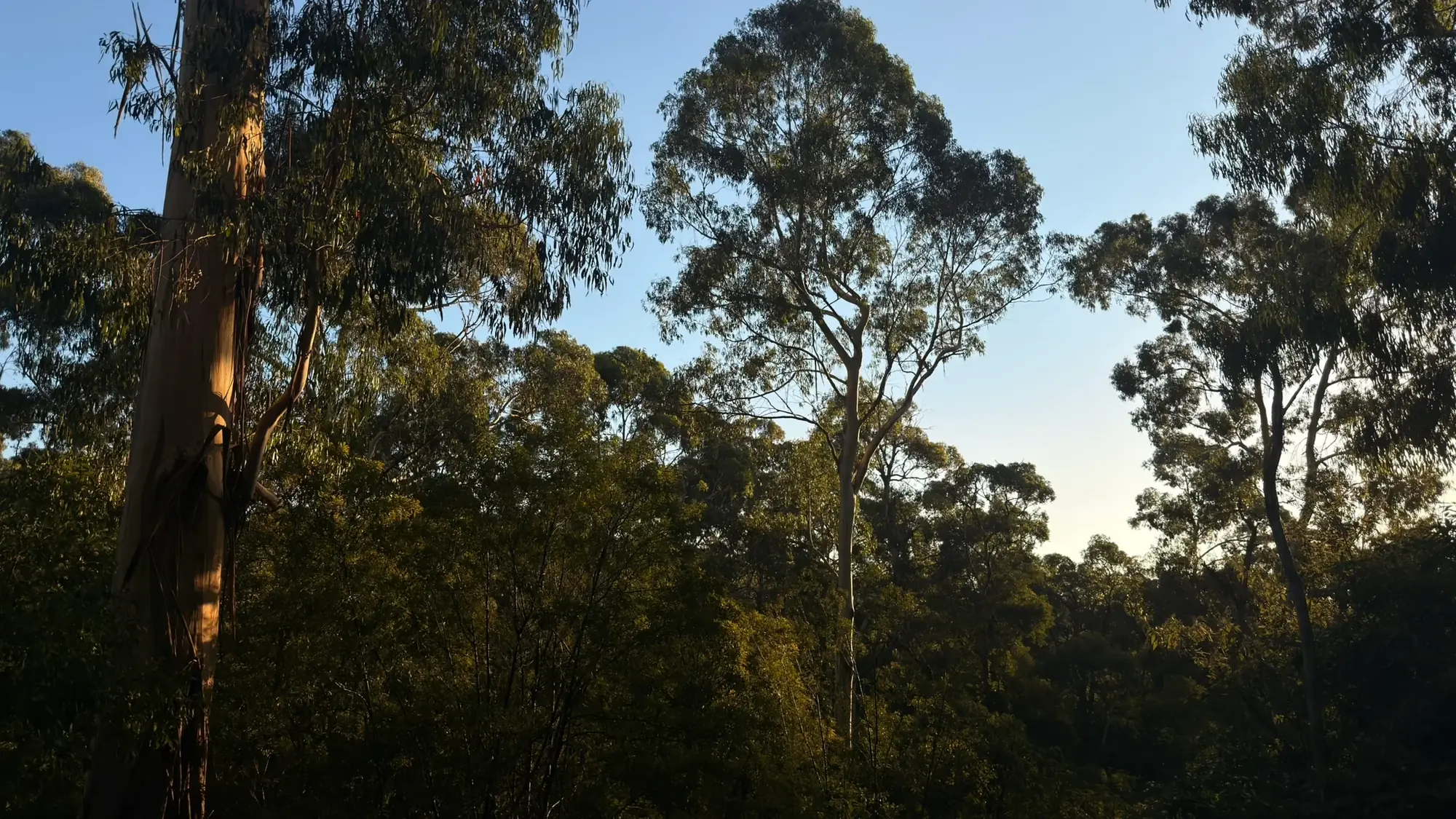
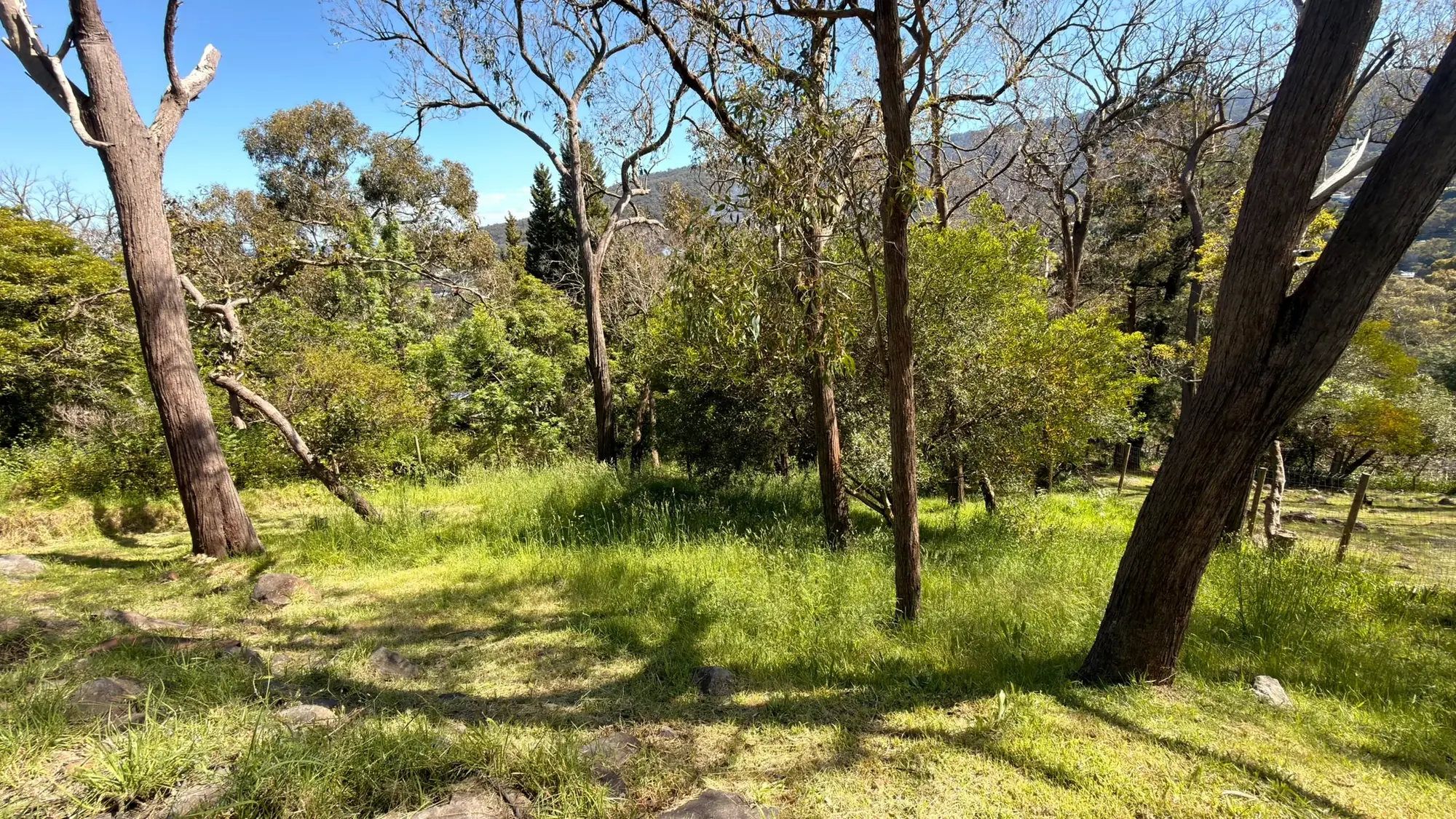
Established native tree canopy across a vegetated Melbourne landscape

Information to send

Start with what is available.

Missing information can be identified during the initial review.

  • Property address and a short description of the proposal
  • Feature and level survey, if available
  • Relevant architectural, civil, landscape and service drawings
  • Council request, permit conditions or any further information requests
  • Previous arboricultural reports or correspondence
  • Required timeframe and current project stage
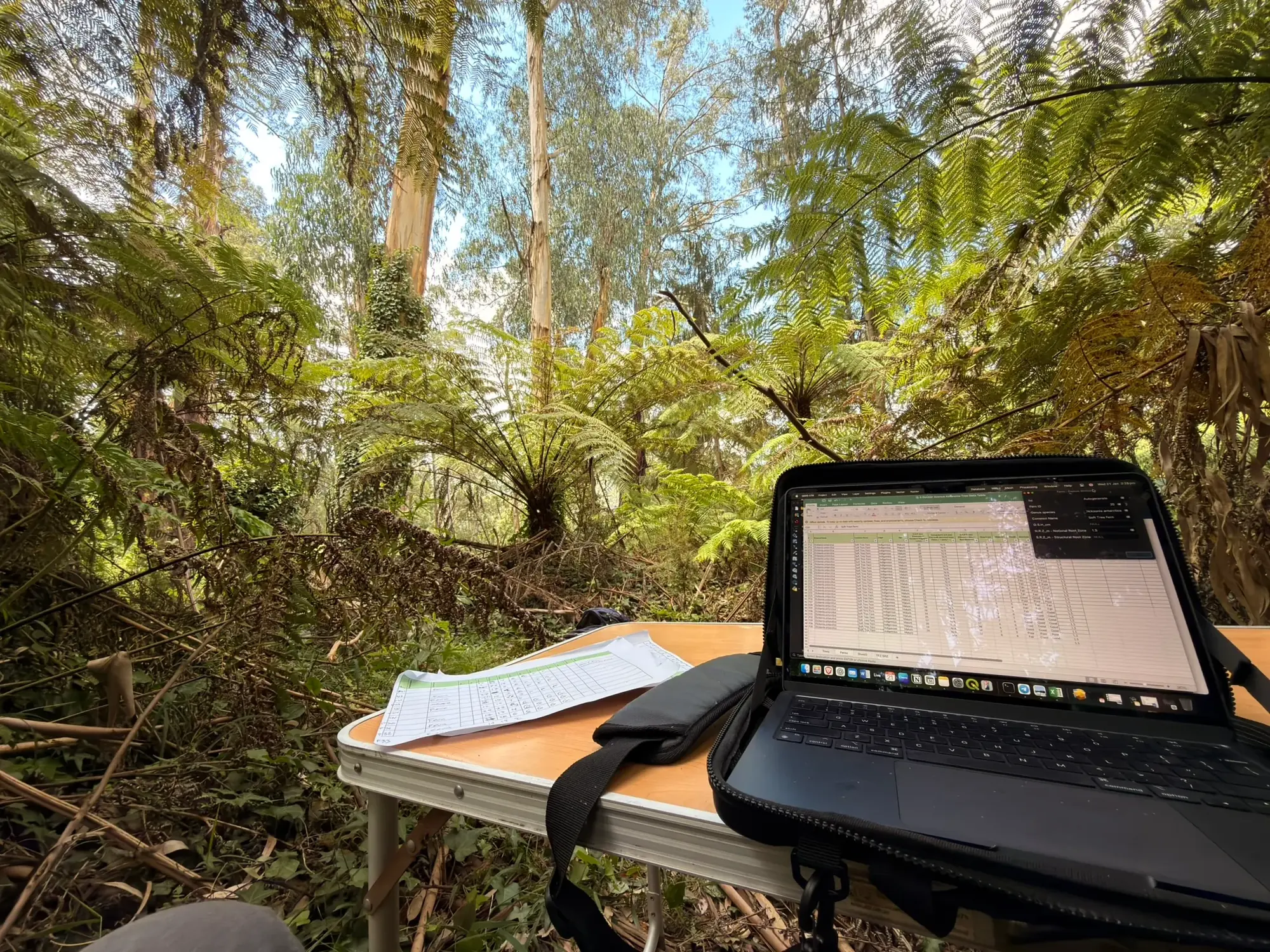
Field arboricultural assessment records and plans being reviewed on a laptop within a vegetated site

Start with the site

Tell me about the proposal and project stage.

[email protected] 0401 766 127

Consulting across Melbourne & Victoria
Subject to service-area eligibility.

Service area note: Consulting work cannot currently be accepted for properties within Maroondah municipality due to a professional conflict-of-interest requirement.

Project enquiry

Discuss your project.

Share the essentials below. Your email app will open a draft where you can add photos or documents before sending.

Frequently asked questions

Planning and development report questions.

When should I engage a consulting arborist?

As early as possible, ideally before the site layout is fixed. Early input gives the design team more options to respond to tree constraints and can reduce redesign later.

What is the difference between a Preliminary Arboricultural Report and an Arboricultural Impact Assessment?

A preliminary report records the trees and early constraints before detailed design. An Arboricultural Impact Assessment reviews a proposed design and explains the likely impacts, design response and protection requirements for retained trees.

Can you prepare a report for a tree removal permit?

Yes, where an independent arboricultural assessment is required. The report can document tree condition, site context and relevant considerations, but the relevant authority decides whether removal is approved.

What drawings are needed for an impact assessment?

The most useful set usually includes a feature and level survey, site plan, floor plans, elevations, demolition plan, civil information, service layout and landscape plan. The exact requirements depend on the project.

Do I need a Tree Protection Specification and Tree Protection Plan?

They may be required by the relevant authority, permit conditions or project circumstances. They are particularly useful when retained trees need clear protection measures, site controls and inspection requirements during construction.

Does an AS4970:2025 aligned report guarantee approval?

No. It provides a structured arboricultural assessment and recommendations. Planning and permit decisions remain with the relevant authority.