Tree information
Identification, location, dimensions, health, structure, condition and useful life expectancy where relevant.
Planning permits · Tree removal · Melbourne
Site-specific arboricultural reporting for planning applications, tree removal and pruning permits.
An independent arboricultural report identifies the relevant trees, assesses their condition and significance, and provides clear evidence to support a permit application or council response. Reporting is tailored to the property, the proposed work and the applicable planning or local-law controls.

Independent evidence
The report turns a site inspection and the available planning information into clear, tree-specific evidence for the application.
Identification, location, dimensions, health, structure, condition and useful life expectancy where relevant.
The proposed removal, pruning or development impact considered against the relevant planning or local-law controls.
Photographs, observations and an explanation of the tree's relationship with the property, proposal and surrounding land.
Reasonable retention, pruning, design or management alternatives where they are practicable and relevant.
Clear arboricultural conclusions and recommendations that respond to the application or council request.
Suitable controls for trees to be retained where work, access or construction may affect them.
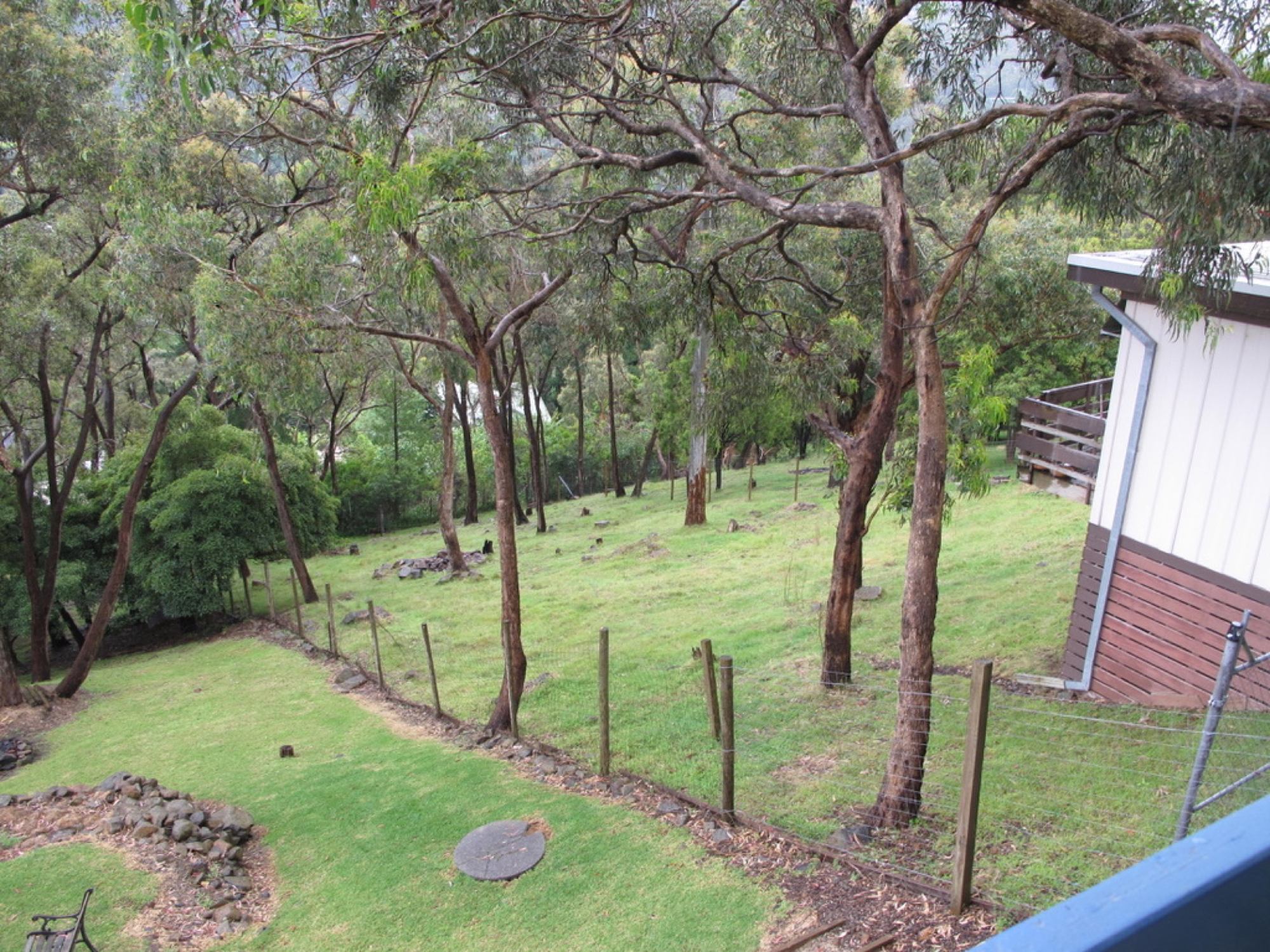

The reporting process
Confirm the property, proposed work, available documents and likely authority requirements.
Record the tree, its condition, dimensions, setting and relationship with the proposal.
Assess retention, pruning, removal and reasonable alternatives where they are relevant.
Prepare the arboricultural evidence, conclusions and recommendations for the application or council response.
Address further arboricultural questions from the responsible authority where an additional response is agreed.
Property controls → Tree inspection → Arboricultural evidence → Council application
Planning controls explained
Vegetation, landscape, environmental, heritage, neighbourhood-character and erosion overlays may include vegetation controls in their schedules. The applicable schedule, exemptions and decision guidelines must be checked for the property.
Clause 52.37 seeks to protect and increase canopy tree cover in residential areas. It applies in the Mixed Use Zone, Township Zone, Residential Growth Zone, General Residential Zone, Neighbourhood Residential Zone and Housing Choice and Transport Zone. An existing canopy tree is defined as a tree at least 5 metres high with an average canopy diameter of at least 4 metres. Subject to the exemptions and application pathways in the clause, a planning permit is required to remove, destroy or lop an existing canopy tree.
Where an application is required, Council may need a site plan and photographs, the location and dimensions of relevant trees, details of the proposed removal or lopping, the reason for the work and any related development plans. A suitably qualified assessment is required where tree health or stability is relied upon. For development proposals, Clause 52.37 also sets canopy-cover targets according to site area and includes requirements for retaining or planting canopy trees with suitable deep-soil or planter space. The applicable zone, exemptions, site conditions and proposal must be checked before work proceeds. An arboricultural report can provide the tree-specific evidence needed to support that assessment. The responsible authority determines the application.
Where Clause 52.17 applies, The Suburban Arborist can provide tree-specific arboricultural assessment and evidence to support the application. Ecological assessment, biodiversity requirements and native vegetation offsets are outside the service scope and may require a suitably qualified ecological consultant.
Local-law permit triggers and assessment requirements vary between municipalities. The report is tailored to the relevant council requirement and the evidence available for the tree and proposal.
Some applications may be eligible for a streamlined VicSmart pathway. Eligibility and information requirements depend on the applicable control and proposal, and should be confirmed before relying on that process.
Bushfire controls and exemptions may materially affect vegetation-management decisions. Where these issues arise, arboricultural evidence can describe the tree, while bushfire and planning advice may need to be provided by the appropriately qualified consultant.
Information to provide
Missing information can be identified during the initial review.
Important: An arboricultural report provides independent evidence and professional recommendations. It does not guarantee that a planning or local-law permit will be granted. The final decision remains with the responsible authority.
Frequently asked questions
The property controls, relevant overlays, particular provisions, exemptions and council local laws need to be checked. A planning or council enquiry may be needed before work is arranged.
Yes. Provide the council request and available application documents so the required arboricultural scope can be confirmed.
Yes. Where pruning may reasonably address the concern, the report can assess and describe an appropriate scope consistent with AS4373:2007 Pruning of amenity trees.
The service is limited to tree-specific arboricultural assessment and supporting evidence. Ecological assessment, biodiversity requirements and native vegetation offsets require an appropriately qualified ecological consultant.
Not necessarily. The applicable controls and exemptions still need to be checked. The report documents the tree-specific condition and risk evidence for the responsible authority.
No. The report provides professional evidence and recommendations. The responsible authority makes the permit or local-law decision.
Start with the property
Share the property address, proposed work and any council correspondence or available documents.
[email protected] 0401 766 127Consulting across Melbourne & Victoria
Subject to service-area eligibility.
Service area note: Consulting work cannot currently be accepted for properties within Maroondah municipality due to a professional conflict-of-interest requirement.