Health & vitality
Identification, location, dimensions, foliage density, colour, extension growth and canopy dieback.
Tree health & condition reports · Melbourne
Clear findings. Practical recommendations.
An independent assessment of tree health, structure and site context by an AQF Level 5 Consulting Arborist. The report provides clear evidence to support property decisions, management planning and permit applications.
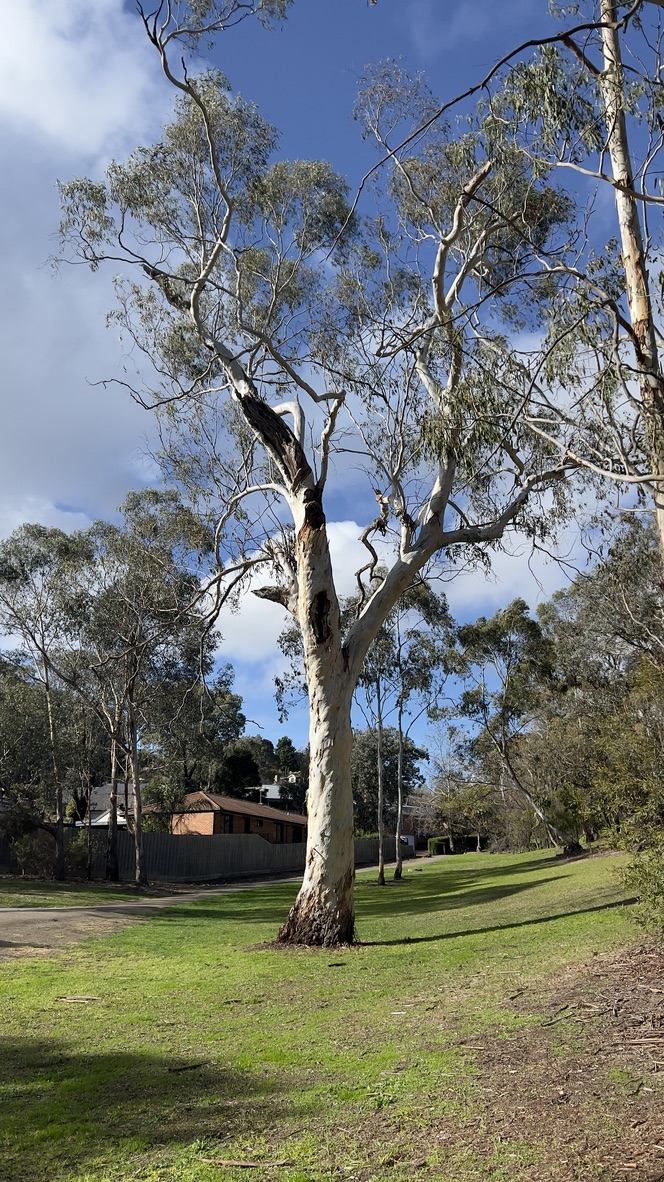
A clear starting point
A report may be useful when a tree has changed, there is uncertainty about its condition, or reliable arboricultural evidence is needed before a decision is made.
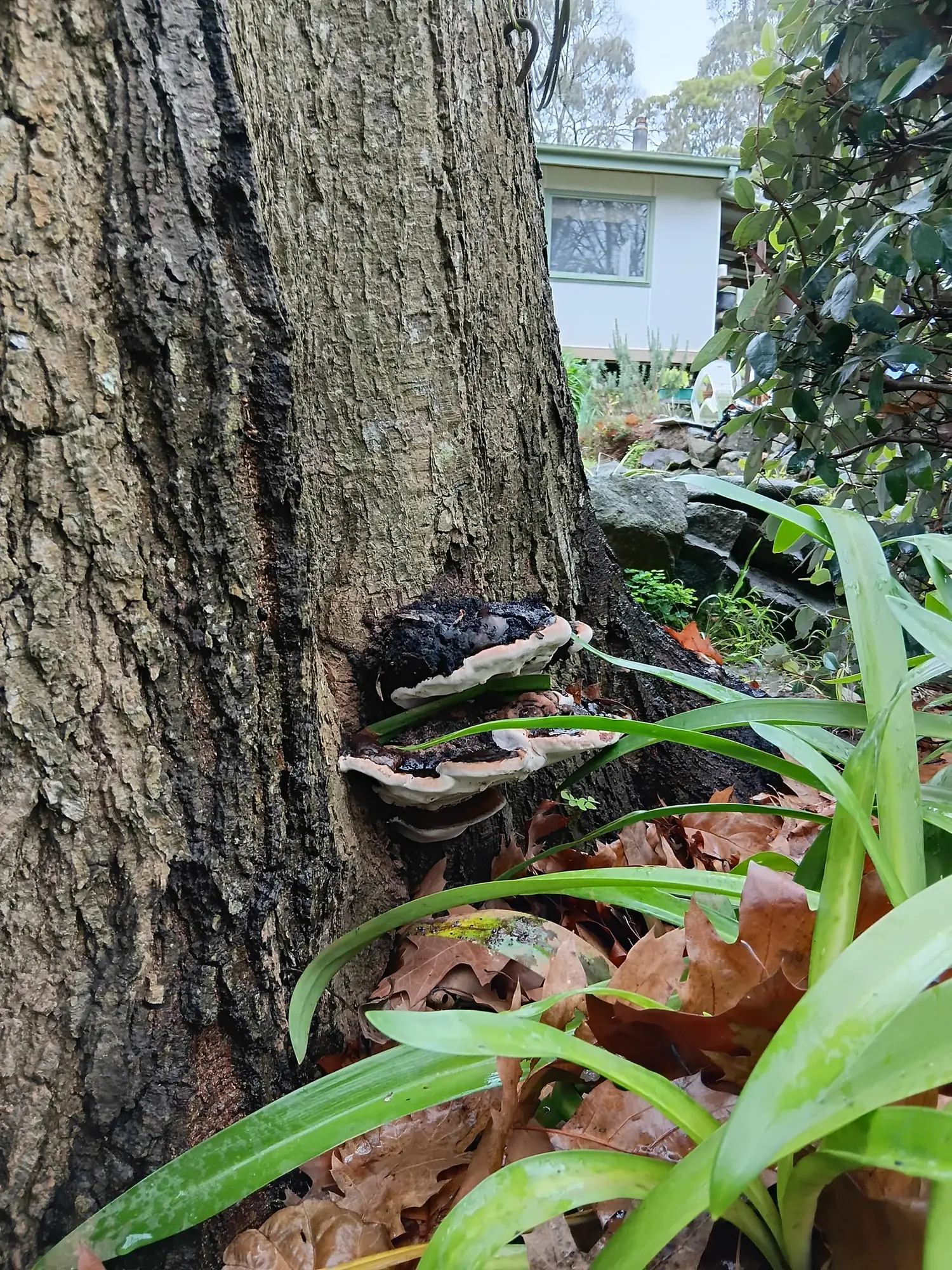
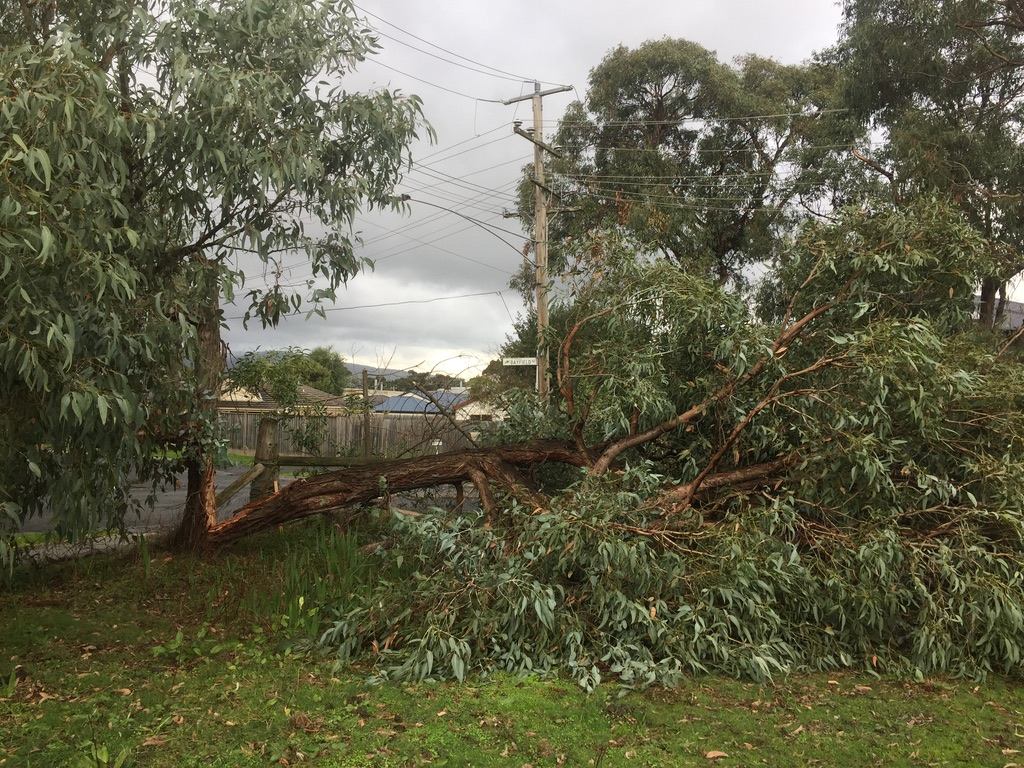
Recent damage or a pressing concern
For storm damage, a recent branch failure or a newly observed defect, describe what happened and send photographs with your enquiry. Inspection availability and the appropriate scope can then be discussed. Keep clear of a tree or branch that presents an immediate danger.
Discuss your treeOn-site inspection
The inspection is tailored to the question being asked and the conditions that can be observed on the day.
Identification, location, dimensions, foliage density, colour, extension growth and canopy dieback.
Trunk and branch structure, unions, wounds, cracks and visible indicators of decay.
Root flare, visible roots, surrounding soil conditions and evidence of disturbance.
Nearby targets, occupancy, exposure, site history, recent works and changes to drainage or ground levels.
Observable symptoms associated with pests, pathogens or environmental stress.
Whether specialist diagnostic testing or a more detailed risk assessment should be considered.
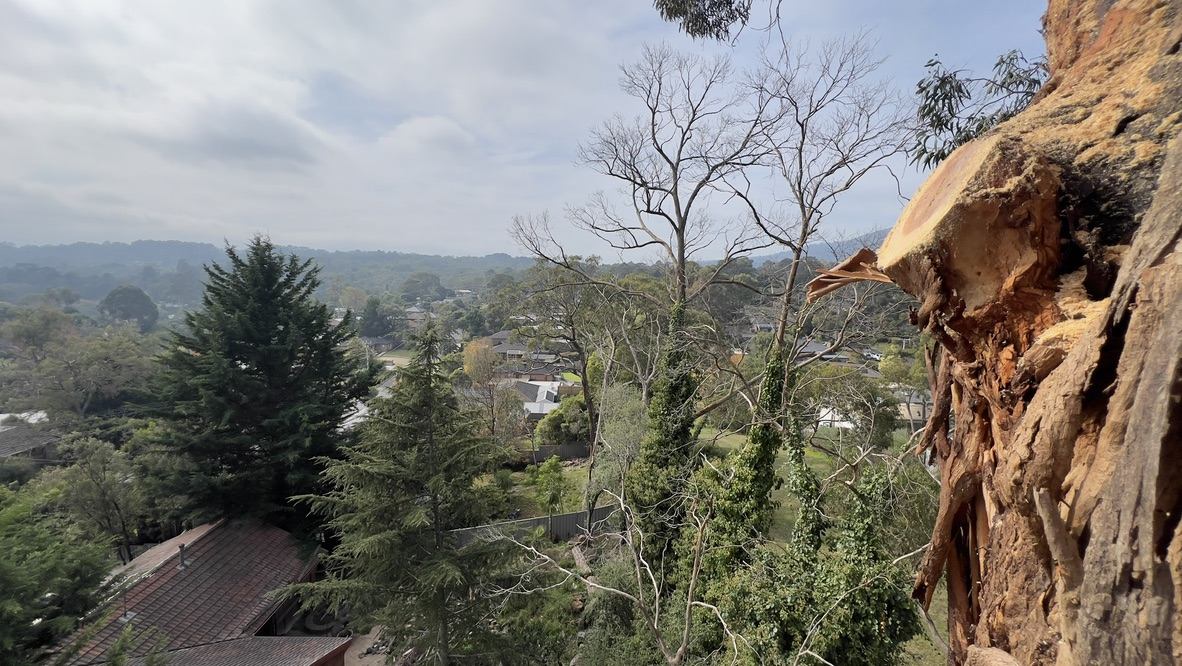
Written findings
The report explains what was observed, why it matters and what should happen next. Where several management options are available, their advantages and limits can be set out.
The right scope for the decision
A tree health and condition report records observable conditions at the time of inspection. It provides professional evidence and recommendations, without guaranteeing tree safety, a permit or a particular management outcome.
The initial inspection is generally visual and non-destructive. Internal decay, concealed roots and below-ground conflicts may not be visible. Diagnostic testing, root investigation or monitoring can be recommended where warranted.
Where a documented risk-benefit method is required, a VALID Tree Risk-Benefit assessment is offered as a separate or expanded scope. This may suit duty-of-care, liability, repeated failure or prioritised risk management questions.
Where proposed development may affect a tree, a separate impact or protection scope may need to consider AS 4970:2025 Protection of trees on development sites. Pruning recommendations, where appropriate, should align with AS 4373:2007 Pruning of amenity trees. Permit decisions remain with the relevant authority.
The reporting process
Confirm the concern, site context, required outcome and available council or permit documents.
Inspect the tree and its surroundings, record observable conditions and photograph relevant features.
Consider health, structure, site use, targets, recent events and any need for further investigation.
Provide findings, practical recommendations, action priorities and assessment limits.
Who this service supports
Independent evidence for tree management, neighbour concerns, permit questions and longer-term planning.
Condition reporting and prioritised recommendations to support maintenance programs.
A clear record of observations, recommended actions and priorities across managed sites.
Early condition information where a tree may influence design, access or other project decisions.
Information to provide
Missing information can be identified when the scope is confirmed.
Frequently asked questions
No assessment can provide an absolute guarantee of safety. The report records observable conditions at the time of inspection and identifies reasonable management recommendations or further investigation where warranted.
Yes. It can provide independent arboricultural evidence for an application or response to council. The relevant authority makes the final permit decision.
A visual inspection may identify indicators that justify further investigation, but concealed conditions cannot always be confirmed visually. Diagnostic testing or root investigation can be discussed as a separate scope.
Where pruning is recommended, the specification should align with AS 4373:2007 Pruning of amenity trees and be carried out by suitably qualified and experienced contractors.
It may be appropriate where safety, duty of care, liability, repeated failures or prioritised risk management are central to the brief. A VALID Tree Risk-Benefit assessment is a separate or expanded scope.
Yes. Describe the damage or concern, include photographs if available, and explain any access or timing needs. Inspection availability and the appropriate assessment scope can then be discussed.
Discuss your tree
Share the property address, your concern and any council or permit documents available. The appropriate inspection and reporting scope can then be confirmed.
[email protected]0401 766 127Consulting across Melbourne & Victoria
Subject to service-area eligibility.
Service area note: Consulting work cannot currently be accepted for properties within Maroondah municipality due to a professional conflict-of-interest requirement.