What could fail?
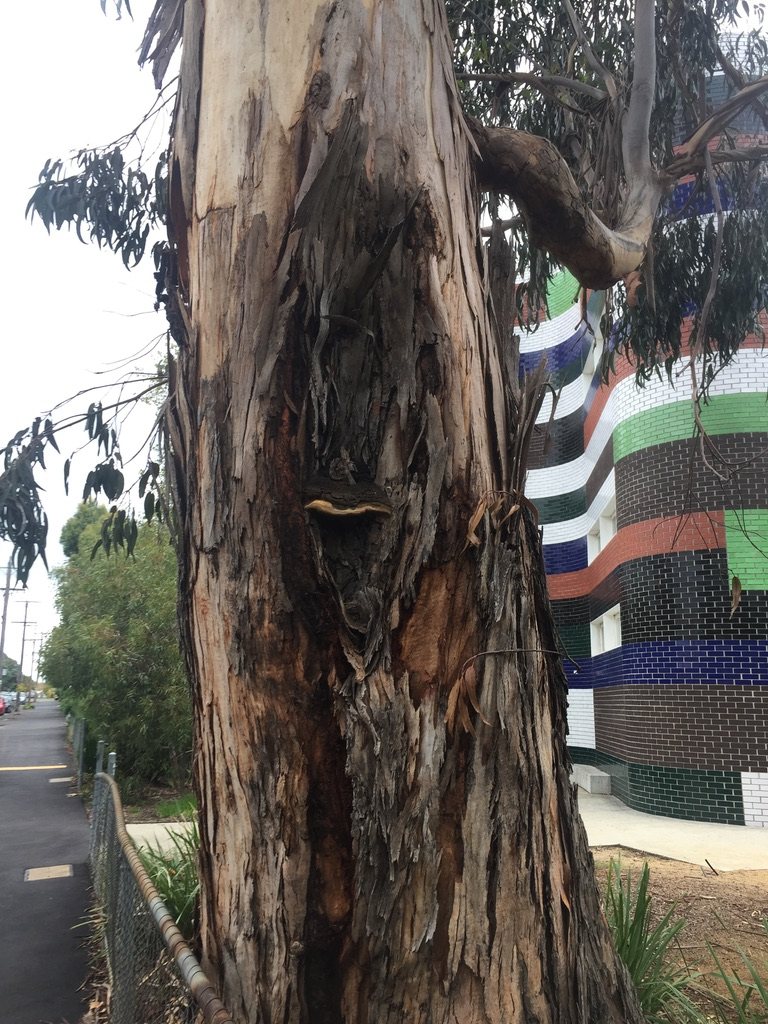
Inspect the tree or relevant part and identify features that may affect its likelihood of failure.
VALID Tree Risk-Benefit Assessments · Melbourne
A structured way to make proportionate tree-management decisions.
The Suburban Arborist provides independent VALID assessments for individual trees, schools and large managed sites. An AQF Level 5 Consulting Arborist and VALID Accredited Assessor examines the tree, its setting and how the surrounding area is used, then provides clear recommendations for action and follow-up.
Evidence for decisions about trees, people and places.
The VALID approach
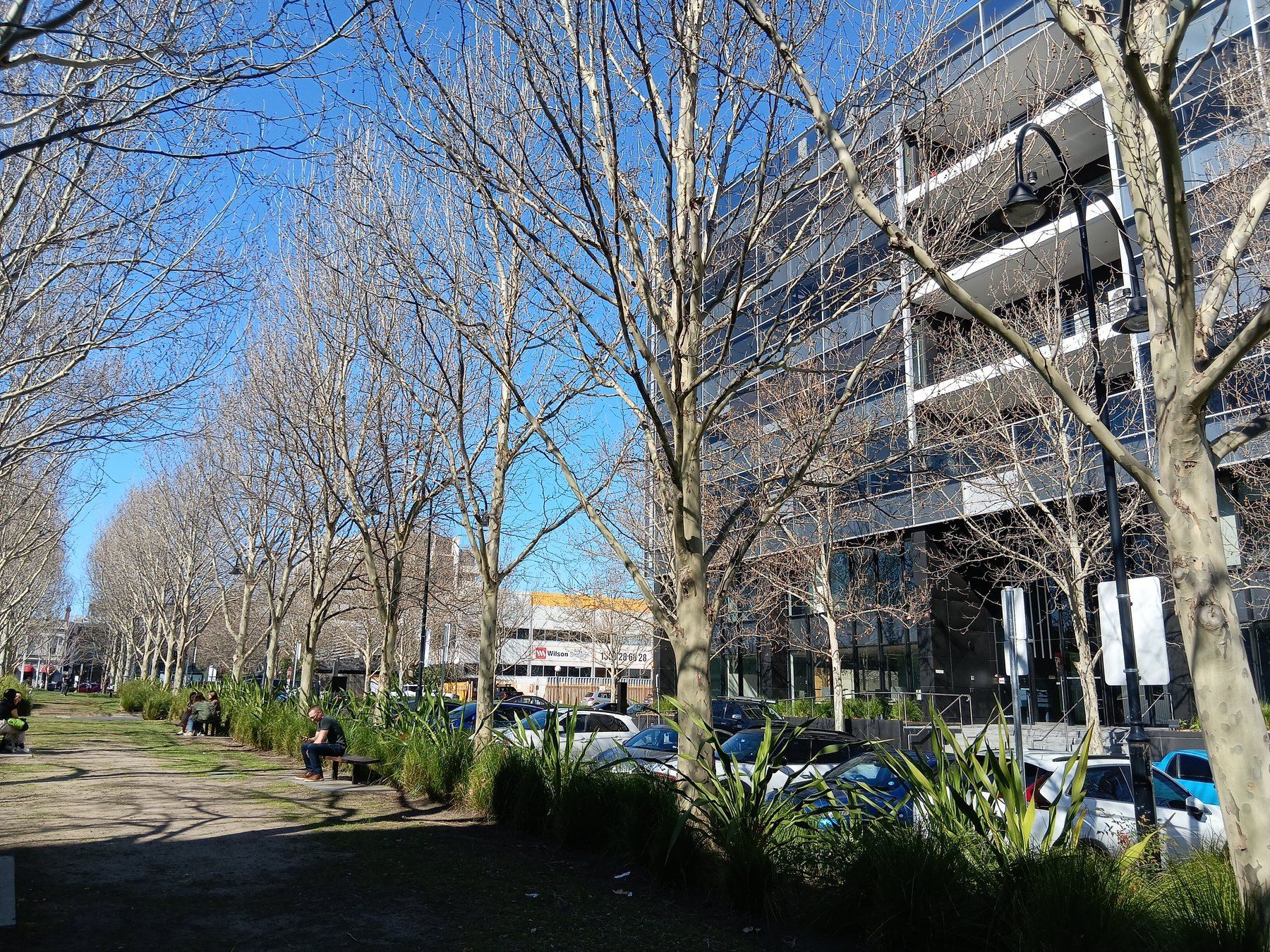
Trees provide shade, habitat, amenity and other benefits. VALID's tree risk-benefit approach considers these benefits alongside the risk of a tree or branch failing. A detailed assessment evaluates the likelihood of failure, the likelihood of occupancy and the potential consequences for the relevant target area.
The aim is to identify where risk reduction is justified, while retaining trees whose assessed risk is Acceptable or Tolerable. The level of assessment and recommendations are matched to the tree and the decision that needs to be made.
About the VALID frameworkInspect the tree or relevant part and identify features that may affect its likelihood of failure.
Consider how people, vehicles or property use the potential impact area, including variations in occupancy.
Set out the risk outcome, any required risk reduction and other proportionate management advice.
Assessment depth
VALID Active Assessment has three levels. The agreed brief determines the trees and areas to be covered. Findings at one level may justify a closer look at the next.
A ground-based assessment looks for obvious features that may require closer evaluation. Large sites can begin with a consistent review of the nominated tree population.
Where a tree needs closer evaluation, a VALID Detailed Assessment considers occupancy, consequences and likelihood of failure to produce a documented risk rating and management response.
If ground-level evidence is insufficient, further work such as aerial inspection or diagnostic testing may be recommended as a separate scope.
Not every tree requires a Detailed Assessment. An outcome applies to the conditions observed and the level of assessment completed; changes in the tree or its use may call for reassessment.
Schools · Campuses · Managed estates
Where many trees sit beside buildings, paths, parking and outdoor gathering areas, a coordinated audit helps managers see which trees need attention and why.
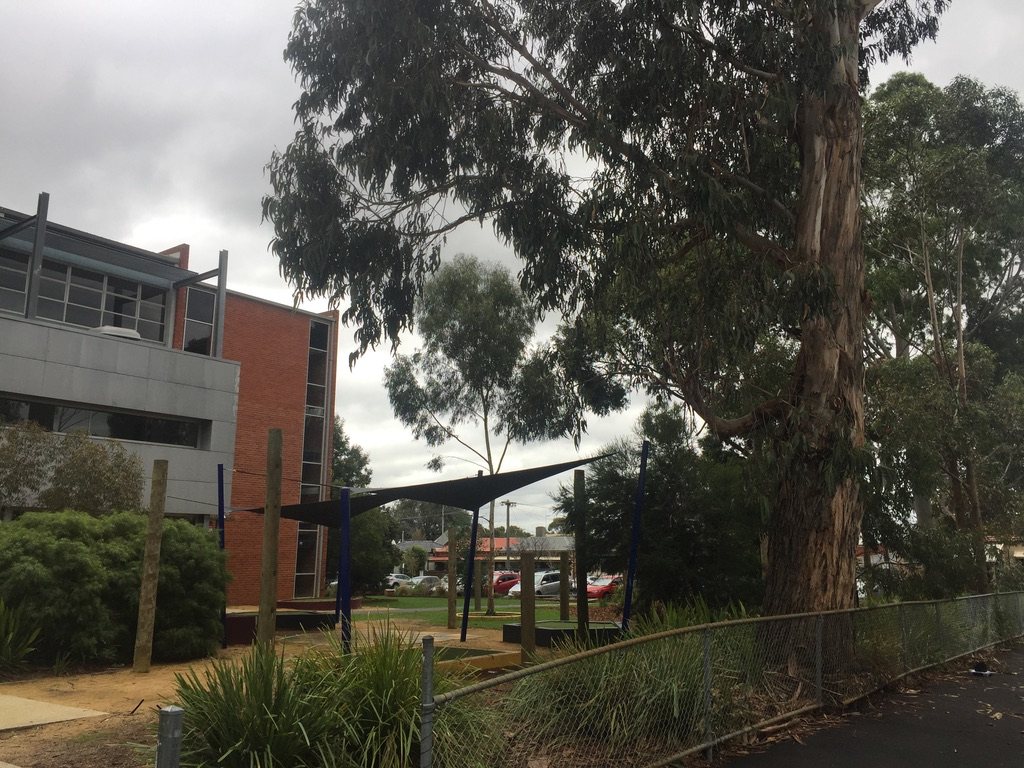
A campus or estate audit can document the nominated tree population, site use, assessment level, findings and action priorities. It gives the responsible team a record of how tree risks were considered and what needs to be done, helping them plan work and address liability concerns through a documented management process.
For a recent Melbourne secondary-school project, the audit combined a site-wide Basic Assessment with Detailed VALID Assessments where tree features warranted them. The resulting report separated required risk reduction from further investigation, monitoring and other tree-management work.
Discuss a large-site auditA clear management response
VALID uses four risk ratings. The report explains the tree-specific evidence behind an outcome and distinguishes actions needed for risk reduction from other useful tree care.
Not Acceptable
The risk is to be reduced to an Acceptable level, with priority set by the assessment and site circumstances.
Not Tolerable
The risk is also to be reduced to an Acceptable level, with a lower priority than Not Acceptable risk.
Tolerable
Risk reduction is not required under the framework; monitoring or a shorter review interval may still be appropriate.
Acceptable
Risk reduction is not required under the framework. Other condition or maintenance advice can be provided separately.
These descriptions summarise the VALID framework. Each assessment records its own evidence, limitations and recommended response.
From findings to a usable plan
Scope and deliverables are agreed for the property or site. A single-tree assessment may be concise; a large-site audit can bring together a tree inventory, location plan, individual Detailed Assessment reports and a coordinated works schedule.
Work needed for a Not Acceptable or Not Tolerable outcome is identified separately, with tree-specific priorities and any interim measures.
Where the available evidence does not resolve a concern, the report can recommend an aerial inspection, diagnostic test or another targeted assessment.
Other useful work, observations and reassessment needs are recorded without treating routine care as required risk reduction.
Tree numbers, locations and clear specifications help the site team brief contractors, record completed actions and track follow-up.
The working process
Confirm the site, nominated trees, concerns, use patterns and reporting needs.
Assess the trees and their target areas, with Detailed Assessment where warranted.
Separate required risk reduction from investigation, monitoring and other management.
Provide a usable action record and identify when reassessment should be considered.
Frequently asked questions
No. A tree health and condition report focuses on observable condition and practical management. A VALID assessment applies a documented tree risk-benefit method when a formal risk outcome and response are needed. The scopes can be combined where appropriate.
No. A Basic Assessment can identify trees that need closer evaluation. Detailed Assessment is undertaken where an identified feature or the agreed brief warrants it.
Yes. A site-wide scope can include an inventory, tree locations, Basic Assessments, Detailed Assessments where warranted, and a prioritised management schedule.
No assessment can remove liability or guarantee that a tree will not fail. A documented audit supports informed duty-of-care decisions when its recommendations are considered, implemented and reviewed by the responsible site manager.
No. VALID weighs risk against tree benefits. A response may involve retaining, monitoring, further investigation or targeted risk reduction. Removal is recommended only where the evidence and available options justify it.
Start with the site address, a plan or tree list if available, the areas people use, any recent incidents or concerns, and previous reports. Missing information can be identified when the scope is discussed.
Start with the site
Share the address, the trees or areas of concern, how the site is used and any existing reports. The appropriate assessment and reporting scope can then be confirmed.
[email protected]0401 766 127Consulting across Melbourne & Victoria
Subject to service-area eligibility.
Service area note: Consulting work cannot currently be accepted for properties within Maroondah municipality due to a professional conflict-of-interest requirement.